Persistence of Violence
Geweld zit verweven in onze wereld. De films in dit programma laten zien hoe we dat terugzien in de ruimtes die we bouwen en bewonen.
Violence lingers in our world and our spaces are evidence of it, as shown by the films in this program.
Boomerang
In Marseille staat La Canebière, gebouwd toen de oorlog in Algerije uitbarstte. Met geluiden van toen en stemmen van onder andere schrijver James Baldwin wordt het gebouw tot leven gewekt, alsof het een levend wezen is. De titel verwijst naar de theorie van de imperiale boemerang, waarin beschreven wordt hoe de onderdrukkende technieken die wordentoegepast in de koloniën, uiteindelijk in het land van oorsprong zullen worden uitgevoerd. Het gebouw zelf wordt zo medeplichtig aan koloniale misdaden.
In Marseille stands La Canebière, built as the Algerian War erupted. Through archival sounds and the voices of figures including writer James Baldwin, the building is brought to life as though it were a living being. The title refers to the theory of the imperial boomerang, which argues that oppressive methods first deployed in the colonies inevitably return to the colonial power itself. The building thus becomes complicit in the crimes of colonialism.
Under the glass
Villa San Luis was een revolutionair sociaal woningbouwcomplex in Santiago, Chili. Het werd ontworpen in 1971 tijdens het presidentschap van Salvador Allende, samen met de arbeiders die erin zouden wonen. Na de militaire coup van Pinochet werden de inwoners echter met geweld het gebouw uitgezet. Nu staat de plek symbool voor een verloren utopische droom, terwijl er nu alleen nog luxe appartementen voor hoge prijzen worden verkocht.
Villa San Luis was a groundbreaking social housing estate in Santiago, Chile. Designed in 1971 during the presidency of Salvador Allende, it was created in collaboration with the workers who would eventually live there. Following Pinochet’s military coup, however, theresidents were violently evicted from their homes. Today the site stands as a symbol of a lost utopian dream, while luxury apartments are sold there at premium prices.
Even the Rocks flew Away
Na de Israëlische bombardementen van vorig jaar keert Libanese filmmaker Anis Nassereddine terug naar de getroffen plekken in Beirut en Zuid-Libanon. Hij gaat op zoek naar wat er over is van de huizen, bruggen, dorpen en begraafplaatsen uit zijn herinnering. Even Rocks Fly Away is een zeer persoonlijke en poëtische reflectie op het geweld dat over Libanon trekt. Wat blijft er over als je thuis niet langer een vaste plek is, maar een gewond landschap? En hoe verandert de verwoesting de band die je hebt met je eigen verleden?
Following last year’s Israeli bombardments, Lebanese filmmaker Anis Nassereddine returns to the affected areas of Beirut and southern Lebanon. He searches for what remains of the houses, bridges, villages and cemeteries he remembers. Even Rocks Fly Away is a deeply personal and poetic reflection on the violence sweeping across Lebanon. What remains when home is no longer a fixed place, but a wounded landscape? And how does destruction change your connection to your own past?
Daylight
The Tombs in Manhattan is een beruchte gevangenis waar omheen talloze protesten hebben plaatsgevonden. Sinds de oprichting in 1938 is het, inmiddels voor de vierde keer, afgebroken en herbouwd. Met haar film brengt Anna Heisterkamp de geschiedenis van het gevangeniswezen in beeld, met The Tombs als bijzonder voorbeeld. Wat maakt een humane gevangenis? Daglicht blijkt steeds een belangrijke factor, maar zit het onrecht niet gewoon ingebouwd in het systeem? Met tekeningen, renderings en modellen brengt Daylight het ontwerpproces in beeld. Je ziet hoe taal en visualisaties worden ingezet om een systeem in stand te houden dat de hervorming juist zegt te willen ontmantelen.
The Tombs in Manhattan is a notorious prison that has been the focus of countless protests. Since its establishment in 1938, it has been demolished and rebuilt four times. In her film, Anna Heisterkamp explores the history of the prison system, using The Tombs as a telling example. What makes a prison humane? Daylight repeatedly emerges as an important factor, but isn’t injustice simply built into the system itself? Through drawings, renderings and models, Daylight reveals the design process. We see how language and visualizations are used to perpetuate the very system that reform claims it wants to dismantle.
Fear Nothing
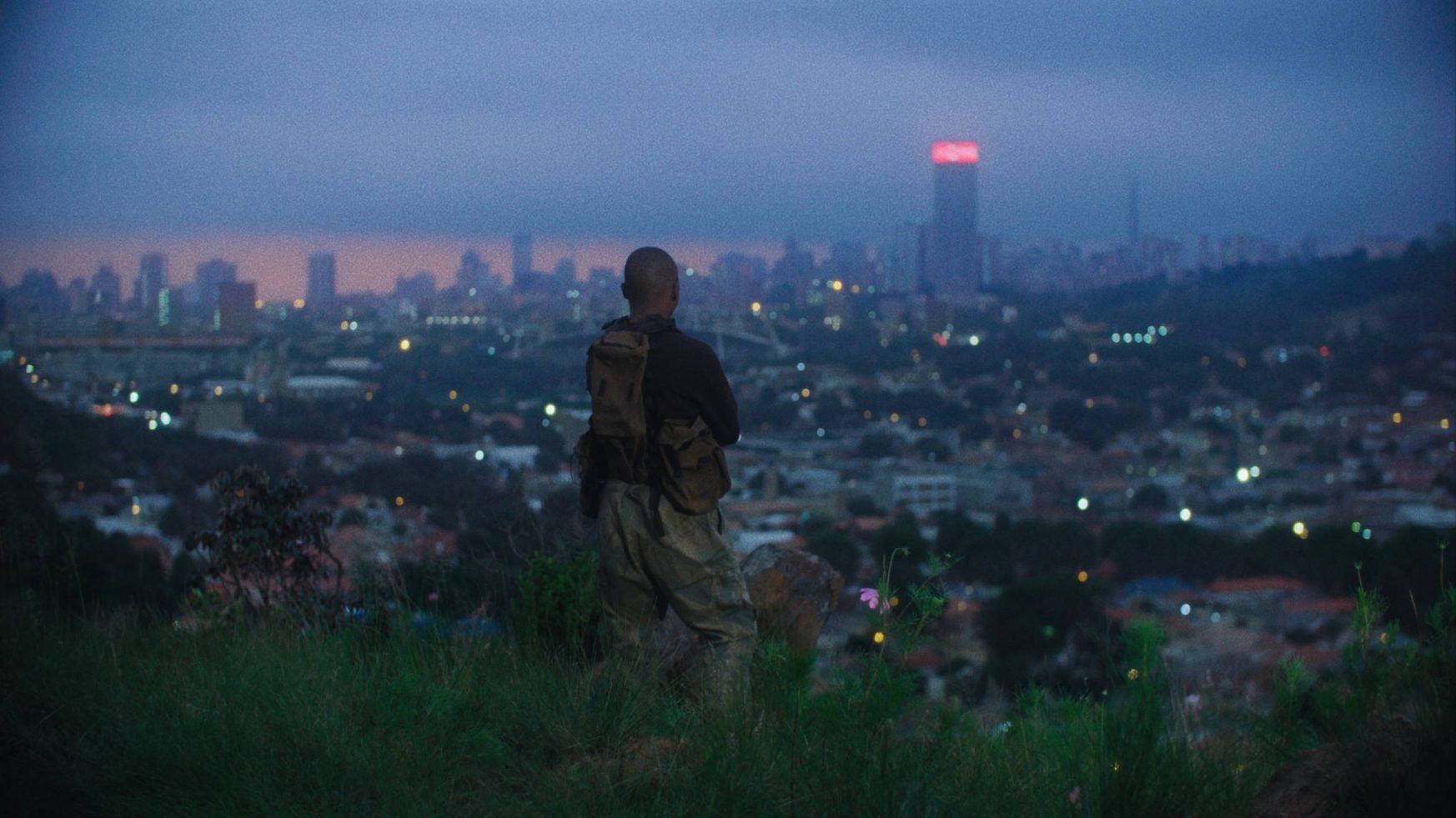
De enorme stijging van ongelijkheid en misdaad in Zuid-Afrika heeft geleid tot een reusachtige particuliere beveiligingsindustrie om de rijke inwoners te beschermen. Op verontrustende en compromisloze wijze laat Fear Nothing een nieuw landschap zien gedomineerd door muren, hekken, bewakingssystemen en gewapende patrouilles. Tuva Björk volgt de bewakers die de elite van Johannesburg moeten beschermen. Hun woorden en daden onthullen een zorgwekkend beeld van gemilitariseerde fantasieën over oppermacht en totale controle, waarin angst onderdeel wordt van de gebouwde omgeving. Huizen veranderen in vestingen, openbare ruimtes worden nauwlettend in de gaten gehouden en beveiligingsmaatregelen creëren een sfeer van wantrouwen en verdeeldheid.
Inequality and crime have reached extreme levels in South Africa, and a vast private security industry has made it their task to protect the country’s wealthy. Unsettling and uncompromising, Fear Nothing, exposes a new landscape of separation defined by walls, gates, surveillance systems and armed patrols. Tuva Björk follows the security guards who protect Johannerburg’s elite. Through their own words and actions, we witness a disturbing world of militarised fantasies of supremacy and total control, where fear becomes embedded in the built environment. Houses turn into fortresses, public areas are thoroughly monitored or fenced, and security measures reinforce distrust and division.
- 17:00
Kies tijdstip
Geweld zit verweven in onze wereld. De films in dit programma laten zien hoe we dat terugzien in de ruimtes die we bouwen en bewonen.
Violence lingers in our world and our spaces are evidence of it, as shown by the films in this program.
Boomerang
In Marseille staat La Canebière, gebouwd toen de oorlog in Algerije uitbarstte. Met geluiden van toen en stemmen van onder andere schrijver James Baldwin wordt het gebouw tot leven gewekt, alsof het een levend wezen is. De titel verwijst naar de theorie van de imperiale boemerang, waarin beschreven wordt hoe de onderdrukkende technieken die wordentoegepast in de koloniën, uiteindelijk in het land van oorsprong zullen worden uitgevoerd. Het gebouw zelf wordt zo medeplichtig aan koloniale misdaden.
In Marseille stands La Canebière, built as the Algerian War erupted. Through archival sounds and the voices of figures including writer James Baldwin, the building is brought to life as though it were a living being. The title refers to the theory of the imperial boomerang, which argues that oppressive methods first deployed in the colonies inevitably return to the colonial power itself. The building thus becomes complicit in the crimes of colonialism.
Under the glass
Villa San Luis was een revolutionair sociaal woningbouwcomplex in Santiago, Chili. Het werd ontworpen in 1971 tijdens het presidentschap van Salvador Allende, samen met de arbeiders die erin zouden wonen. Na de militaire coup van Pinochet werden de inwoners echter met geweld het gebouw uitgezet. Nu staat de plek symbool voor een verloren utopische droom, terwijl er nu alleen nog luxe appartementen voor hoge prijzen worden verkocht.
Villa San Luis was a groundbreaking social housing estate in Santiago, Chile. Designed in 1971 during the presidency of Salvador Allende, it was created in collaboration with the workers who would eventually live there. Following Pinochet’s military coup, however, theresidents were violently evicted from their homes. Today the site stands as a symbol of a lost utopian dream, while luxury apartments are sold there at premium prices.
Even the Rocks flew Away
Na de Israëlische bombardementen van vorig jaar keert Libanese filmmaker Anis Nassereddine terug naar de getroffen plekken in Beirut en Zuid-Libanon. Hij gaat op zoek naar wat er over is van de huizen, bruggen, dorpen en begraafplaatsen uit zijn herinnering. Even Rocks Fly Away is een zeer persoonlijke en poëtische reflectie op het geweld dat over Libanon trekt. Wat blijft er over als je thuis niet langer een vaste plek is, maar een gewond landschap? En hoe verandert de verwoesting de band die je hebt met je eigen verleden?
Following last year’s Israeli bombardments, Lebanese filmmaker Anis Nassereddine returns to the affected areas of Beirut and southern Lebanon. He searches for what remains of the houses, bridges, villages and cemeteries he remembers. Even Rocks Fly Away is a deeply personal and poetic reflection on the violence sweeping across Lebanon. What remains when home is no longer a fixed place, but a wounded landscape? And how does destruction change your connection to your own past?
Daylight
The Tombs in Manhattan is een beruchte gevangenis waar omheen talloze protesten hebben plaatsgevonden. Sinds de oprichting in 1938 is het, inmiddels voor de vierde keer, afgebroken en herbouwd. Met haar film brengt Anna Heisterkamp de geschiedenis van het gevangeniswezen in beeld, met The Tombs als bijzonder voorbeeld. Wat maakt een humane gevangenis? Daglicht blijkt steeds een belangrijke factor, maar zit het onrecht niet gewoon ingebouwd in het systeem? Met tekeningen, renderings en modellen brengt Daylight het ontwerpproces in beeld. Je ziet hoe taal en visualisaties worden ingezet om een systeem in stand te houden dat de hervorming juist zegt te willen ontmantelen.
The Tombs in Manhattan is a notorious prison that has been the focus of countless protests. Since its establishment in 1938, it has been demolished and rebuilt four times. In her film, Anna Heisterkamp explores the history of the prison system, using The Tombs as a telling example. What makes a prison humane? Daylight repeatedly emerges as an important factor, but isn’t injustice simply built into the system itself? Through drawings, renderings and models, Daylight reveals the design process. We see how language and visualizations are used to perpetuate the very system that reform claims it wants to dismantle.
Fear Nothing
De enorme stijging van ongelijkheid en misdaad in Zuid-Afrika heeft geleid tot een reusachtige particuliere beveiligingsindustrie om de rijke inwoners te beschermen. Op verontrustende en compromisloze wijze laat Fear Nothing een nieuw landschap zien gedomineerd door muren, hekken, bewakingssystemen en gewapende patrouilles. Tuva Björk volgt de bewakers die de elite van Johannesburg moeten beschermen. Hun woorden en daden onthullen een zorgwekkend beeld van gemilitariseerde fantasieën over oppermacht en totale controle, waarin angst onderdeel wordt van de gebouwde omgeving. Huizen veranderen in vestingen, openbare ruimtes worden nauwlettend in de gaten gehouden en beveiligingsmaatregelen creëren een sfeer van wantrouwen en verdeeldheid.
Inequality and crime have reached extreme levels in South Africa, and a vast private security industry has made it their task to protect the country’s wealthy. Unsettling and uncompromising, Fear Nothing, exposes a new landscape of separation defined by walls, gates, surveillance systems and armed patrols. Tuva Björk follows the security guards who protect Johannerburg’s elite. Through their own words and actions, we witness a disturbing world of militarised fantasies of supremacy and total control, where fear becomes embedded in the built environment. Houses turn into fortresses, public areas are thoroughly monitored or fenced, and security measures reinforce distrust and division.