Tristan Forever
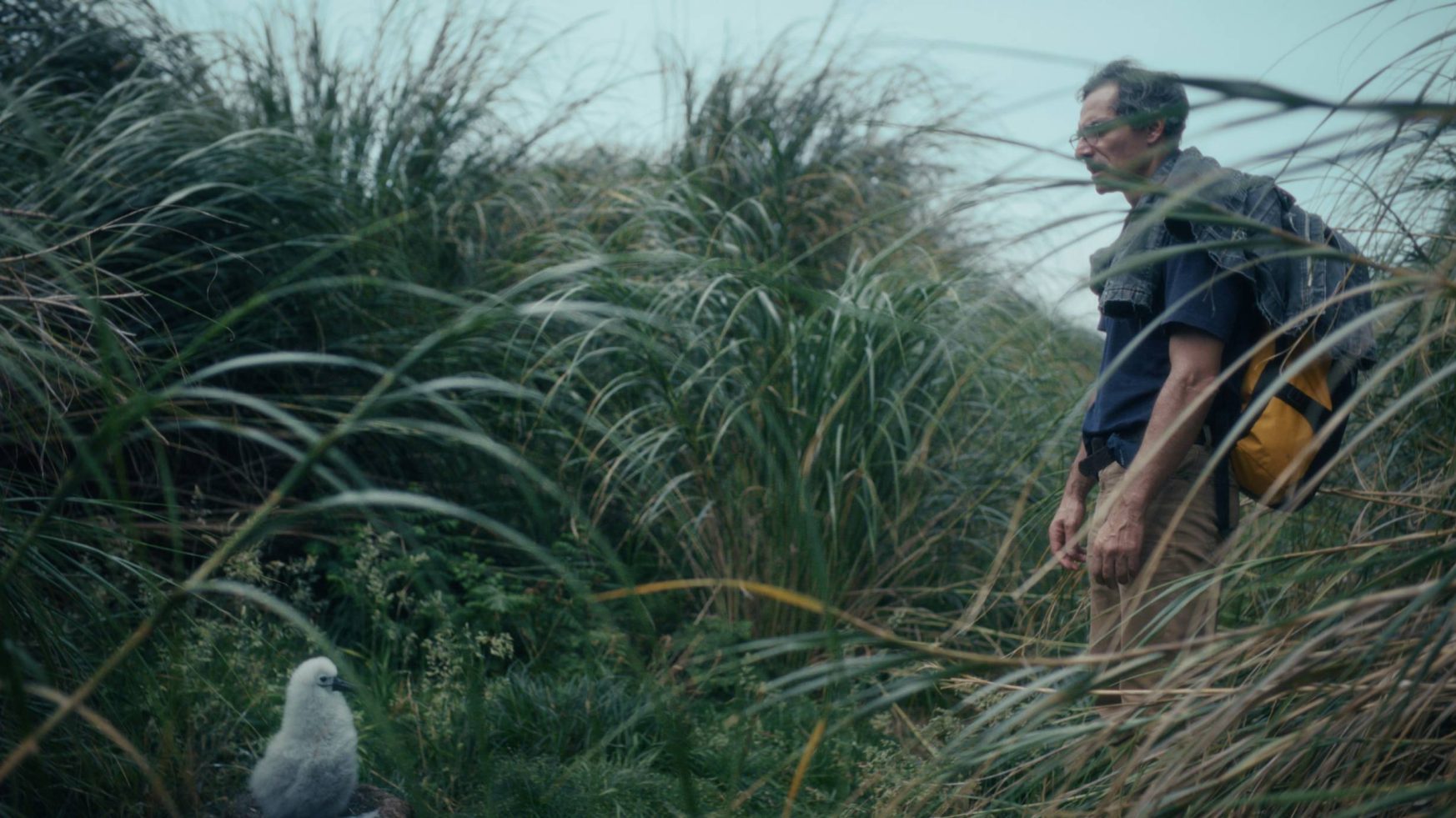
Dertig jaar lang bezoekt Loran Bonnardot, een arts uit Parijs, Tristan da Cunha, het meest afgelegen bewoonde eiland ter wereld. Omringd door ruige vulkanische bergen, groene hellingen en de eindeloze Atlantische Oceaan heeft hij er een tweede thuis gevonden.
De eilandbewoners zijn zijn gekozen familie geworden en de visser Martin zijn beste vriend. Nu, op zijn vijftigjarige leeftijd, besluit Loran zijn leven in Parijs achter zich te laten en zich definitief op het eiland te vestigen. Maar toetreden tot de kleine gemeenschap van 230 bewoners blijkt niet vanzelfsprekend. Terwijl de eilandraad over zijn toekomst beslist, ontdekt Loran dat een paradijs op aarde niet alleen vrijheid biedt, maar ook vraagt om rekening te houden met anderen.
Tristan Forever is een avontuurlijke en wonderschone film over de zoektocht naar een plek om thuis te horen. Tegen de overweldigende schoonheid van een van de meest ongerepte plekken op aarde ontvouwt zich een verhaal over vriendschap, gemeenschap en het verlangen naar een eenvoudiger leven, dichter bij de natuur.
Tristan da Cunha is the most remote inhabited island in the world. This volcanic landmass is too steep for an airport, so anyone who wants to get there must make an approximately nine-day journey by boat. Parisian doctor Loran Bonnardot has been visiting the island for 30 years and plans to settle there permanently. Before he can do that, though, the Tristan da Cunha Island Council must approve his application. This means Bonnardot will have to spend a year proving that he can integrate into the close-knit community of some 230 men and women.
Is Tristan da Cunha really the utopia Bonnardot believes he has found, and will he ever truly be accepted? In this blend of documentary and fiction, Bonnardot delves into a world that sometimes seems like a dream. With his inseparable companion, a penguin, he finds his way through the wilderness and the easygoing community of Tristan da Cunha. But even paradise is not without its troubles: archival footage of the evacuation of Tristan da Cunha residents in 1961, when the volcano erupted, fits seamlessly into this extraordinary story about isolation and belonging.
- 10:30
Kies tijdstip
- filmspecial
Dertig jaar lang bezoekt Loran Bonnardot, een arts uit Parijs, Tristan da Cunha, het meest afgelegen bewoonde eiland ter wereld. Omringd door ruige vulkanische bergen, groene hellingen en de eindeloze Atlantische Oceaan heeft hij er een tweede thuis gevonden.
De eilandbewoners zijn zijn gekozen familie geworden en de visser Martin zijn beste vriend. Nu, op zijn vijftigjarige leeftijd, besluit Loran zijn leven in Parijs achter zich te laten en zich definitief op het eiland te vestigen. Maar toetreden tot de kleine gemeenschap van 230 bewoners blijkt niet vanzelfsprekend. Terwijl de eilandraad over zijn toekomst beslist, ontdekt Loran dat een paradijs op aarde niet alleen vrijheid biedt, maar ook vraagt om rekening te houden met anderen.
Tristan Forever is een avontuurlijke en wonderschone film over de zoektocht naar een plek om thuis te horen. Tegen de overweldigende schoonheid van een van de meest ongerepte plekken op aarde ontvouwt zich een verhaal over vriendschap, gemeenschap en het verlangen naar een eenvoudiger leven, dichter bij de natuur.
Tristan da Cunha is the most remote inhabited island in the world. This volcanic landmass is too steep for an airport, so anyone who wants to get there must make an approximately nine-day journey by boat. Parisian doctor Loran Bonnardot has been visiting the island for 30 years and plans to settle there permanently. Before he can do that, though, the Tristan da Cunha Island Council must approve his application. This means Bonnardot will have to spend a year proving that he can integrate into the close-knit community of some 230 men and women.
Is Tristan da Cunha really the utopia Bonnardot believes he has found, and will he ever truly be accepted? In this blend of documentary and fiction, Bonnardot delves into a world that sometimes seems like a dream. With his inseparable companion, a penguin, he finds his way through the wilderness and the easygoing community of Tristan da Cunha. But even paradise is not without its troubles: archival footage of the evacuation of Tristan da Cunha residents in 1961, when the volcano erupted, fits seamlessly into this extraordinary story about isolation and belonging.