30 mei, 1969 (Gritu di un pueblo)
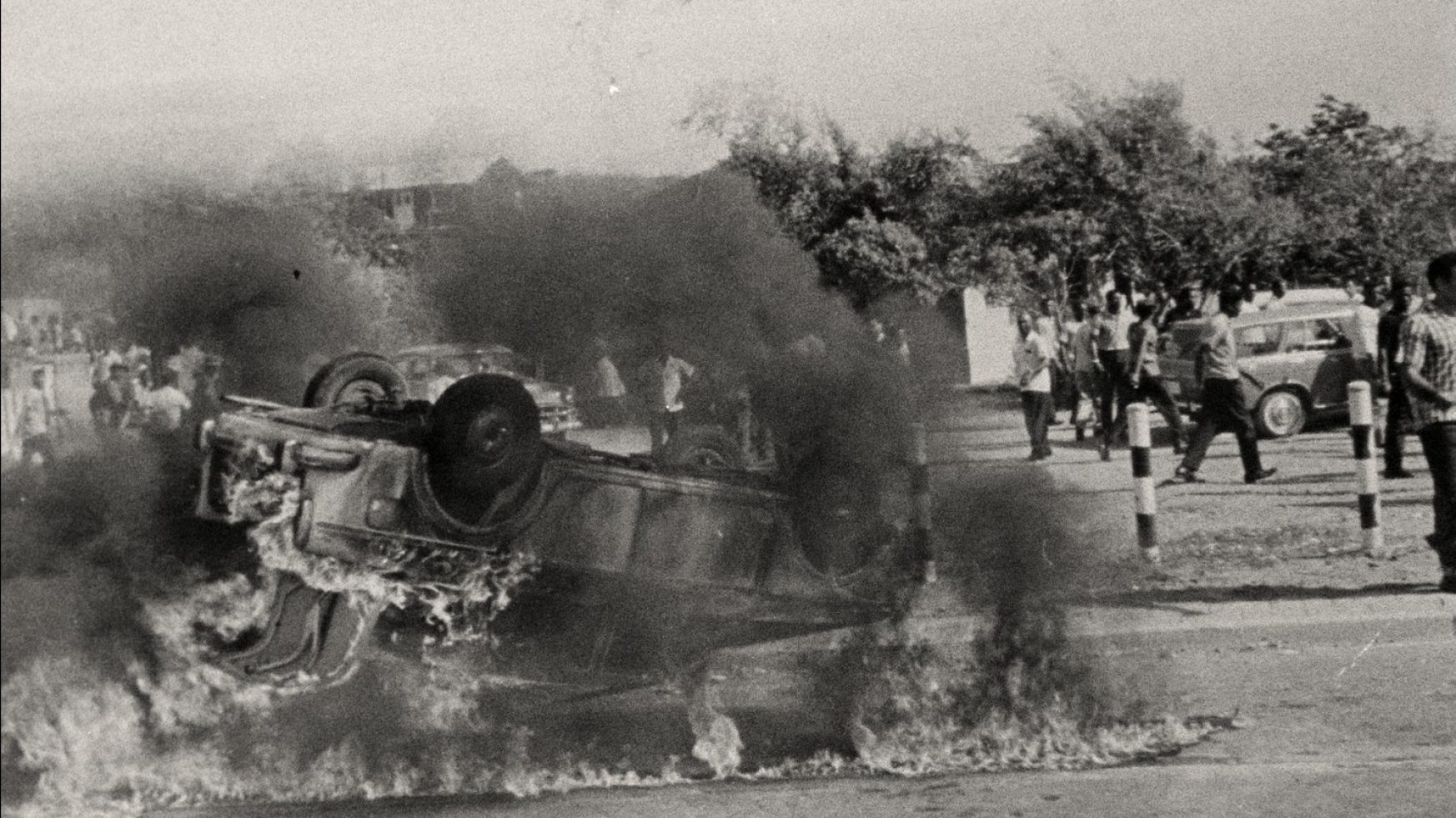
Op 30 mei 1969 mondde een staking bij een Shell-raffinaderij uit in een massale volksopstand op Curaçao. Het protest, waarbij delen van Willemstad in brand vlogen en de Nederlandse regering mariniers invloog, vormt een historisch breukvlak. Filmmaker John Leerdam onderzoekt wat de bevolking de straat op dreef: waren het uitsluitend de slechte arbeidsomstandigheden, of opgestapelde woede over de aanhoudende discriminatie?
Aan de hand van archiefmateriaal, formeel gefilmde gesprekken met experts en levendige straatinterviews ontrafelt deze documentaire hoe de rellen ontstonden. Betrokkenen, van vakbondsleiders en mariniers tot buurtbewoners, delen hun persoonlijke getuigenissen. De bewoners vertellen over de chaos en plunderingen, terwijl arbeiders de extreme loonverschillen ten opzichte van hun Nederlandse collega’s memoreren.
Tegelijkertijd belicht de film de diepere wortels van de opstand: een koloniaal onderwijssysteem dat het zelfbeeld van de Curaçaose bevolking aantastte. Zo schetst Leerdam een indringend historisch portret van een gemeenschap en hun strijd om met de koloniale verhoudingen te breken.
Nieuwe digitale restauratie van Eye Filmmuseum, gebaseerd op de originele 16mm masters.
On 30 May 1969, a strike at a Shell refinery in Curaçao escalated into a mass uprising. The protests marked a historic turning point— parts of the capital Willemstad went up in flames and the Dutch government flew in marines. Filmmaker John Leerdam investigates what drove people into the streets: was it simply poor working conditions, or accumulated anger over persistent discrimination?
Drawing on archival material, talks filmed with experts, and lively street interviews, the documentary unravels how the unrest began. The film brings together firsthand accounts of people who experienced the events, from local residents to union leaders and marines. The residents recall the chaos and looting, while workers remember the huge pay gap between them and their Dutch colleagues.
At the same time, the film explores the deeper roots of the uprising: a colonial education system that damaged the self-image of Curaçao’s people. Leerdam thus creates a powerful historical portrait of a community and its struggle to break free of colonial structures.
A new digital restoration from the Eye Filmmuseum, based on the original 16mm masters.
- 15:15
Kies tijdstip
- filmspecial
Op 30 mei 1969 mondde een staking bij een Shell-raffinaderij uit in een massale volksopstand op Curaçao. Het protest, waarbij delen van Willemstad in brand vlogen en de Nederlandse regering mariniers invloog, vormt een historisch breukvlak. Filmmaker John Leerdam onderzoekt wat de bevolking de straat op dreef: waren het uitsluitend de slechte arbeidsomstandigheden, of opgestapelde woede over de aanhoudende discriminatie?
Aan de hand van archiefmateriaal, formeel gefilmde gesprekken met experts en levendige straatinterviews ontrafelt deze documentaire hoe de rellen ontstonden. Betrokkenen, van vakbondsleiders en mariniers tot buurtbewoners, delen hun persoonlijke getuigenissen. De bewoners vertellen over de chaos en plunderingen, terwijl arbeiders de extreme loonverschillen ten opzichte van hun Nederlandse collega’s memoreren.
Tegelijkertijd belicht de film de diepere wortels van de opstand: een koloniaal onderwijssysteem dat het zelfbeeld van de Curaçaose bevolking aantastte. Zo schetst Leerdam een indringend historisch portret van een gemeenschap en hun strijd om met de koloniale verhoudingen te breken.
Nieuwe digitale restauratie van Eye Filmmuseum, gebaseerd op de originele 16mm masters.
On 30 May 1969, a strike at a Shell refinery in Curaçao escalated into a mass uprising. The protests marked a historic turning point— parts of the capital Willemstad went up in flames and the Dutch government flew in marines. Filmmaker John Leerdam investigates what drove people into the streets: was it simply poor working conditions, or accumulated anger over persistent discrimination?
Drawing on archival material, talks filmed with experts, and lively street interviews, the documentary unravels how the unrest began. The film brings together firsthand accounts of people who experienced the events, from local residents to union leaders and marines. The residents recall the chaos and looting, while workers remember the huge pay gap between them and their Dutch colleagues.
At the same time, the film explores the deeper roots of the uprising: a colonial education system that damaged the self-image of Curaçao’s people. Leerdam thus creates a powerful historical portrait of a community and its struggle to break free of colonial structures.
A new digital restoration from the Eye Filmmuseum, based on the original 16mm masters.