Barbara Buser - Swiss Pioneer of Sustainability
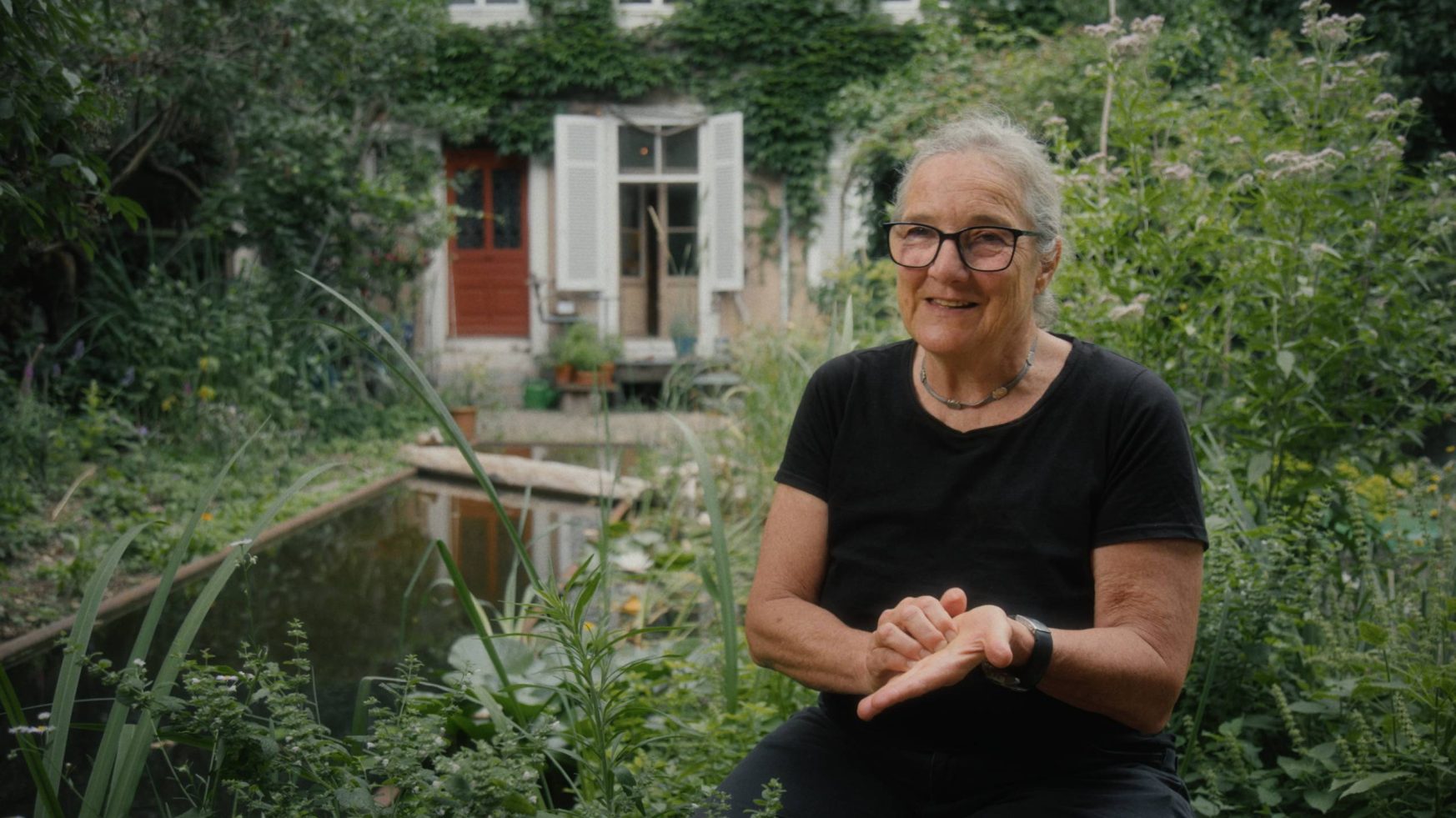
De Zwitserse architect Barbara Buser laat al decennialang zien dat architectuur de eeuwige vicieuze cirkel van sloop en nieuwbouw kan doorbreken. Haar aanpak richt zich op het transformeren van bestaande gebouwen en weggegooide materialen een tweede leven geven, waarmee ze de verspillende logica binnen de bouwindustrie in de praktijk ontkracht. Wat Busers werk zo inspirerend maakt, is dat het laat zien hoe circulaire architectuur niet alleen om hergebruik van materialen gaat, of om een andere manier van bouwen, maar misschien nog belangrijker: dat het vraagt om nieuwe manieren van samenwerken met cliënten, opdrachten uitschrijven, financiering regelen en demonstreren hoe waarde verder gaat dan winst. In een tijd waarin de bouwsector op zoek is naar meer duurzame methodes biedt Buser een overtuigend alternatief voor business as usual. Dit portret van een uitzonderlijke architect wordt zo ook een uitnodiging om na te denken over de systemen die architectuur mogelijk maken.
Swiss architect Barbara Buser has spent decades proving that architecture can break the vicious cycle of demolition and new construction. Her design approach is centred on transforming existing buildings and giving discarded materials a second life, rejecting in practice the wasteful logic of the building industry. What makes Buser’s work inspiring is that it demonstrates that circular architecture is not only about the reuse of materials and a different way of constructing, but, and perhaps most importantly, it requires new ways of collaborating with clients, commissioning projects, organising finance and defining value beyond profit. At a time when the construction sector is searching for more sustainable futures, Buser offers a compelling alternative to business as usual. This portrait of an exceptional architect is also an invitation to rethink the systems that produce architecture.
- 19:45
- alle vertoningen
Kies tijdstip
De Zwitserse architect Barbara Buser laat al decennialang zien dat architectuur de eeuwige vicieuze cirkel van sloop en nieuwbouw kan doorbreken. Haar aanpak richt zich op het transformeren van bestaande gebouwen en weggegooide materialen een tweede leven geven, waarmee ze de verspillende logica binnen de bouwindustrie in de praktijk ontkracht. Wat Busers werk zo inspirerend maakt, is dat het laat zien hoe circulaire architectuur niet alleen om hergebruik van materialen gaat, of om een andere manier van bouwen, maar misschien nog belangrijker: dat het vraagt om nieuwe manieren van samenwerken met cliënten, opdrachten uitschrijven, financiering regelen en demonstreren hoe waarde verder gaat dan winst. In een tijd waarin de bouwsector op zoek is naar meer duurzame methodes biedt Buser een overtuigend alternatief voor business as usual. Dit portret van een uitzonderlijke architect wordt zo ook een uitnodiging om na te denken over de systemen die architectuur mogelijk maken.
Swiss architect Barbara Buser has spent decades proving that architecture can break the vicious cycle of demolition and new construction. Her design approach is centred on transforming existing buildings and giving discarded materials a second life, rejecting in practice the wasteful logic of the building industry. What makes Buser’s work inspiring is that it demonstrates that circular architecture is not only about the reuse of materials and a different way of constructing, but, and perhaps most importantly, it requires new ways of collaborating with clients, commissioning projects, organising finance and defining value beyond profit. At a time when the construction sector is searching for more sustainable futures, Buser offers a compelling alternative to business as usual. This portrait of an exceptional architect is also an invitation to rethink the systems that produce architecture.