End of the Line
Veerboten, metro’s, bussen en treinen – de films in dit programma laten zien hoe openbaar vervoer de levensader is van onze samenleving. Als we het verwaarlozen kan dat slecht voor ons uitpakken.
From ferries, subways, buses and trains, the films in this program show how public transport is the lifeblood of our society. We neglect it at our own peril.
Programma
YES!
De Cruise Terminal van Tallinn, gemaakt door Salto Architects en Stuudio Tallinn, zit vol scheve hoeken en vreemde rondingen. Een gedicht van Joonas Veelmaa vraagt zich af of we altijd moeten streven naar perfectie of dat ons falen net zo belangrijk is. Als absurdistisch gebaar rolt een man van de trappen af en glijd hij van de ramen. De poëtische dansfilm YES! is een hilarische ode aan vervreemding.
Designed by Salto Architects and Stuudio Tallinn, Tallinn’s Cruise Terminal is full of skewed angles and curious curves. A poem by Joonas Veelmaa asks whether we should always strive for perfection or whether our failures matter just as much. In an absurdist gesture, a man tumbles down staircases and slides along the windows. The poetic dance film YES! is a hilarious celebration of alienation.
Bus Station
Door de een gezien als een architectuuricoon, door de ander als een doorn in het oog. Toen het enorme Preston Bus Station werd gebouwd in 1969 was het bedoeld als een essentieel verbindingspunt voor de busverbindingen van Noord Engeland. Met zijn spectaculaire 170 meter lange balkons was het brutalistische gebouw een indrukwekkende aanwezigheid in de kleine stad. Of het zijn doelstellingen als transporthub kon halen was nog maar de vraag. Een fascinerend portret van een controversieel gebouw.
Seen by some as an architectural icon and by others as an eyesore, Preston Bus Station has always provoked strong opinions. When the vast building was completed in 1969, it was intended to become the central transport hub for bus services across northern England. With its spectacular 170-metre-long balconies, the Brutalist structure dominated the skyline of the small city. Whether it ever fulfilled its ambitions as a transport hub is another question. A fascinating portrait of a controversial building.
Verdigris
Onder de straten van Parijs ligt een van haar meest iconische bestanddelen: een nauwkeurig ontworpen infrastructuur die elke dag miljoenen mensen door de stad verplaatst. Deze film – deels architectuurgeschiedenis, deels politieke reflectie – volgt de evolutie van de metro van Parijs, van Guimards iconische art nouveau-ingangen tot de meest recente vernieuwingen. Geïnspireerd door de psycho-geografische ideeën van de situationisten onderzoekt de film de spanning tussen de vaste routes bepaald door stedelijke infrastructuren en de ontelbare manieren waarop mensen zich de stad toe-eigenen in hun dagelijkse bewegingen.
Beneath the streets of Paris lies one of its most iconic landmarks and carefully designed infrastructure that carries millions of people through the city every day. Part architecture history, part political reflection, this experimental essay film traces the evolution of the Paris metro, from Guimard’s iconic Art Nouveau entrances to its most recent transformations. Inspired by the psychogeographic ideas of the Situationists, the film explores the tension between the fixed routes prescribed by urban infrastructures and the countless ways people appropriate the city through their daily movements.
Who killed the Aerotrain?
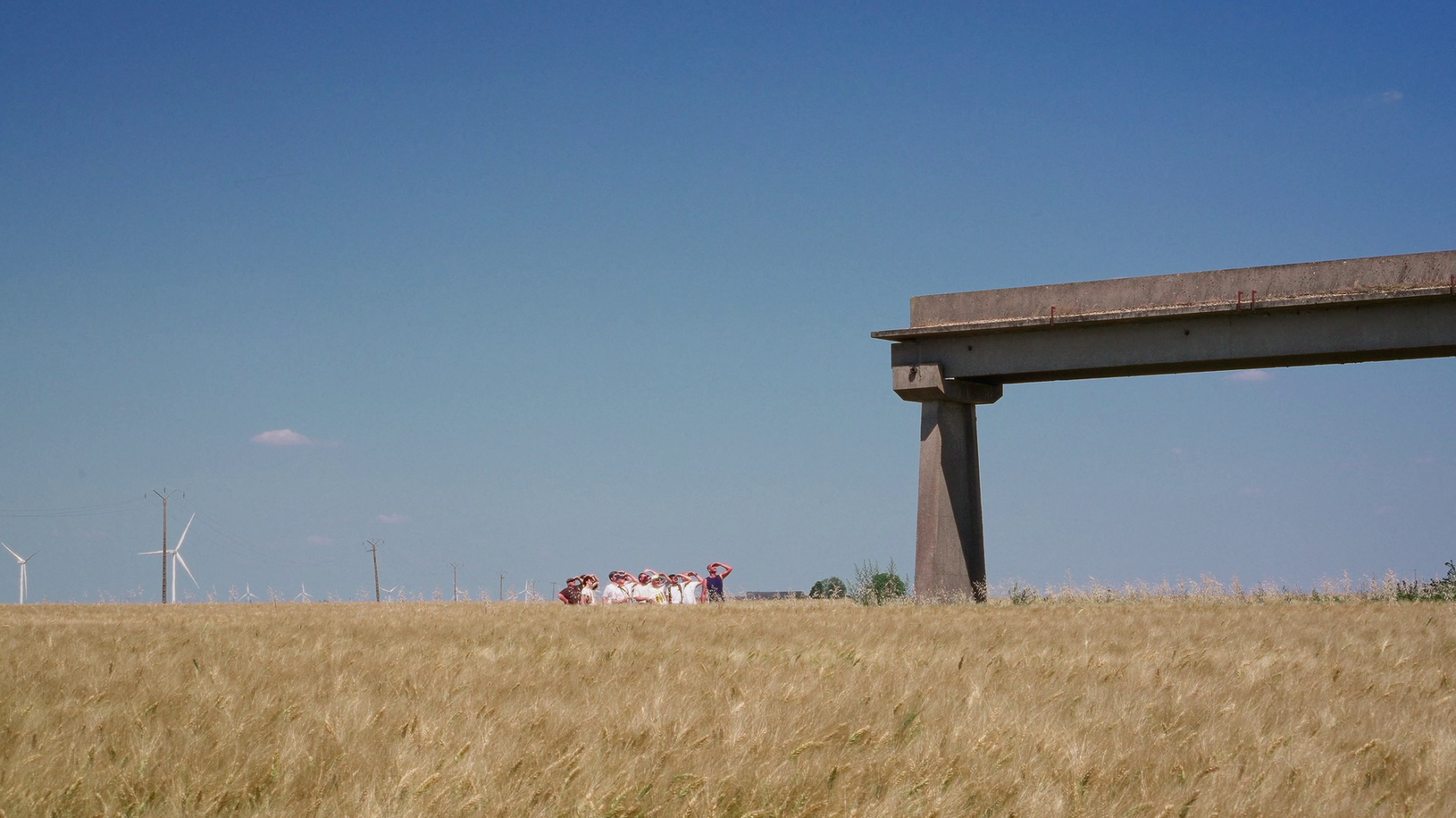
In de jaren zestig was de Aérotrain, naast de Concorde, de toekomst van het openbaar vervoer in Frankrijk. Deze aerodynamische trein zou op een monorail door het hele landschap zoefen. Helaas is er maar een klein stuk gebouwd voordat het project failliet werd verklaard. Who Killed The Aerotrain? is een fantasierijk detectiveverhaal over een toekomst die nooit is gearriveerd. Filmmaker Théo Audoire volgt de fanclub die het laatste stuk monorail probeert te beschermen en een originele trein in ere herstelt. Met wonderschone animatie laat het ons inbeelden hoe mooi deze droom van frictieloos vervoer had kunnen zijn.
In the 1960s, alongside Concorde, the Aérotrain represented the future of public transport in France. This aerodynamic train was designed to race across the countryside on a monorail. Sadly, only a short section was ever built before the project was abandoned. Who Killed the Aerotrain? is an imaginative detective story about a future that never arrived. Filmmaker Théo Audoire follows the enthusiasts fighting to protect the last remaining stretch of monorail and restore an original train. Beautiful animation invites us to imagine just how extraordinary this dream of frictionless transport might have been.
- 16:45
Kies tijdstip
Veerboten, metro’s, bussen en treinen – de films in dit programma laten zien hoe openbaar vervoer de levensader is van onze samenleving. Als we het verwaarlozen kan dat slecht voor ons uitpakken.
From ferries, subways, buses and trains, the films in this program show how public transport is the lifeblood of our society. We neglect it at our own peril.
Programma
YES!
De Cruise Terminal van Tallinn, gemaakt door Salto Architects en Stuudio Tallinn, zit vol scheve hoeken en vreemde rondingen. Een gedicht van Joonas Veelmaa vraagt zich af of we altijd moeten streven naar perfectie of dat ons falen net zo belangrijk is. Als absurdistisch gebaar rolt een man van de trappen af en glijd hij van de ramen. De poëtische dansfilm YES! is een hilarische ode aan vervreemding.
Designed by Salto Architects and Stuudio Tallinn, Tallinn’s Cruise Terminal is full of skewed angles and curious curves. A poem by Joonas Veelmaa asks whether we should always strive for perfection or whether our failures matter just as much. In an absurdist gesture, a man tumbles down staircases and slides along the windows. The poetic dance film YES! is a hilarious celebration of alienation.
Bus Station
Door de een gezien als een architectuuricoon, door de ander als een doorn in het oog. Toen het enorme Preston Bus Station werd gebouwd in 1969 was het bedoeld als een essentieel verbindingspunt voor de busverbindingen van Noord Engeland. Met zijn spectaculaire 170 meter lange balkons was het brutalistische gebouw een indrukwekkende aanwezigheid in de kleine stad. Of het zijn doelstellingen als transporthub kon halen was nog maar de vraag. Een fascinerend portret van een controversieel gebouw.
Seen by some as an architectural icon and by others as an eyesore, Preston Bus Station has always provoked strong opinions. When the vast building was completed in 1969, it was intended to become the central transport hub for bus services across northern England. With its spectacular 170-metre-long balconies, the Brutalist structure dominated the skyline of the small city. Whether it ever fulfilled its ambitions as a transport hub is another question. A fascinating portrait of a controversial building.
Verdigris
Onder de straten van Parijs ligt een van haar meest iconische bestanddelen: een nauwkeurig ontworpen infrastructuur die elke dag miljoenen mensen door de stad verplaatst. Deze film – deels architectuurgeschiedenis, deels politieke reflectie – volgt de evolutie van de metro van Parijs, van Guimards iconische art nouveau-ingangen tot de meest recente vernieuwingen. Geïnspireerd door de psycho-geografische ideeën van de situationisten onderzoekt de film de spanning tussen de vaste routes bepaald door stedelijke infrastructuren en de ontelbare manieren waarop mensen zich de stad toe-eigenen in hun dagelijkse bewegingen.
Beneath the streets of Paris lies one of its most iconic landmarks and carefully designed infrastructure that carries millions of people through the city every day. Part architecture history, part political reflection, this experimental essay film traces the evolution of the Paris metro, from Guimard’s iconic Art Nouveau entrances to its most recent transformations. Inspired by the psychogeographic ideas of the Situationists, the film explores the tension between the fixed routes prescribed by urban infrastructures and the countless ways people appropriate the city through their daily movements.
Who killed the Aerotrain?
In de jaren zestig was de Aérotrain, naast de Concorde, de toekomst van het openbaar vervoer in Frankrijk. Deze aerodynamische trein zou op een monorail door het hele landschap zoefen. Helaas is er maar een klein stuk gebouwd voordat het project failliet werd verklaard. Who Killed The Aerotrain? is een fantasierijk detectiveverhaal over een toekomst die nooit is gearriveerd. Filmmaker Théo Audoire volgt de fanclub die het laatste stuk monorail probeert te beschermen en een originele trein in ere herstelt. Met wonderschone animatie laat het ons inbeelden hoe mooi deze droom van frictieloos vervoer had kunnen zijn.
In the 1960s, alongside Concorde, the Aérotrain represented the future of public transport in France. This aerodynamic train was designed to race across the countryside on a monorail. Sadly, only a short section was ever built before the project was abandoned. Who Killed the Aerotrain? is an imaginative detective story about a future that never arrived. Filmmaker Théo Audoire follows the enthusiasts fighting to protect the last remaining stretch of monorail and restore an original train. Beautiful animation invites us to imagine just how extraordinary this dream of frictionless transport might have been.