Heimsuchung
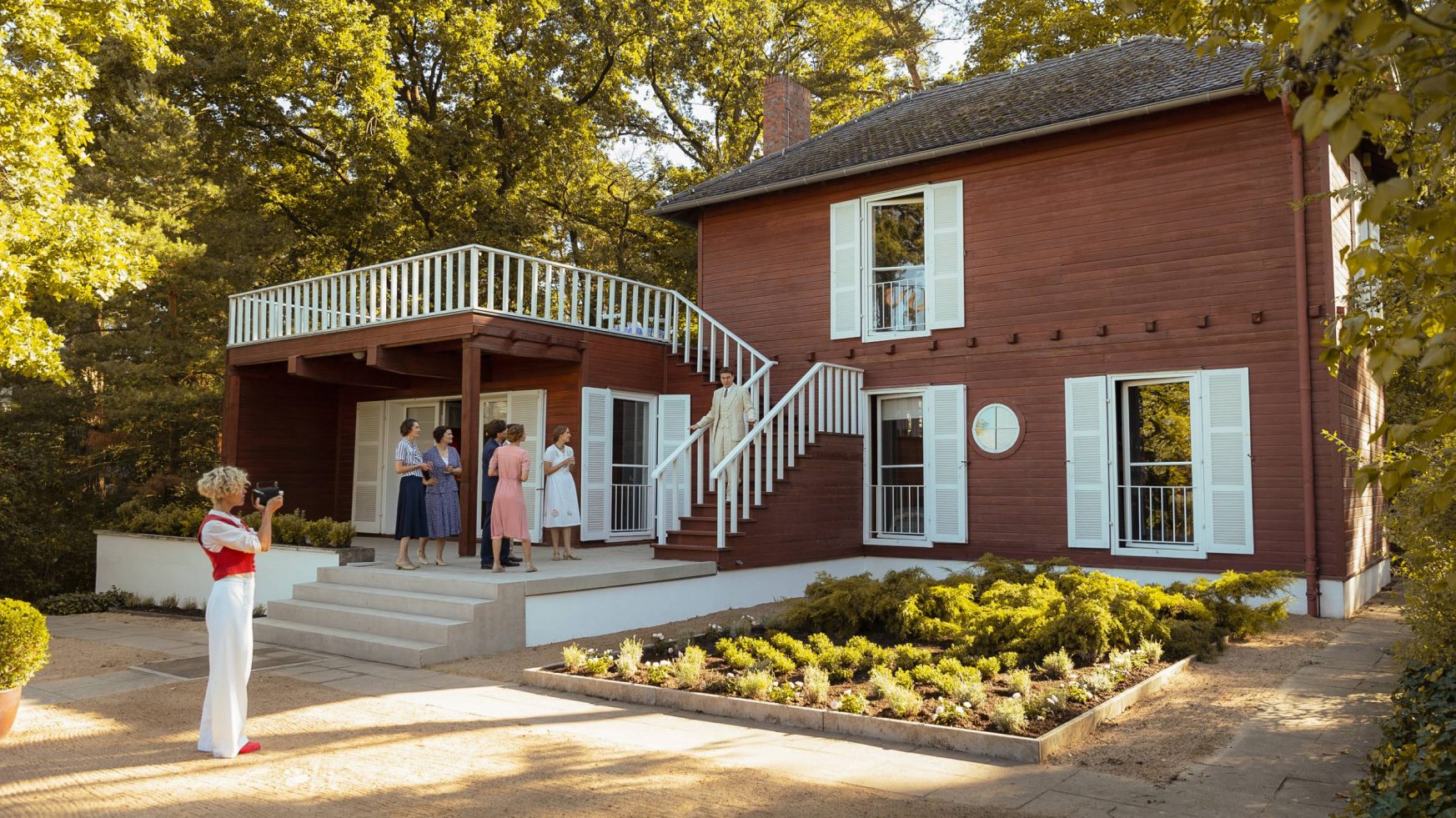
Het huis als zwijgende getuige van de tumultueuze twintigste eeuw. Regisseur Volker Schlöndorff was in 1979 gouden palm-winnaar met Die Blechtrommel, een verfilming van Günter Grass. Ditmaal baseert hij zijn film op een meer recent hoogtepunt uit de Duitse literatuur, Heimsuchung van Jenny Erpenbeck uit 2007. Het resultaat is een historisch epos over de twintigste eeuw, vertelt vanuit het oogpunt van een huis aan een meer. Kort na de Eerste Wereldoorlog bouwt een architect (Lars Eidinger) dit beeldschone huis volgens de meest moderne principes. In de jaren daarna vluchten Joodse textielmakers voor de nazi’s en worden communistische intellectuelen geconfronteerd met de kapitalistische realiteit van de Duitse hereniging. Tussendoor komen de projecten van nazi-architect Albert Speer en de plattenbau van de DDR voorbij. Het huis blijft in dit alles de enige constante, als enige behoudt het de collectieve herinneringen van vergankelijke mensenlevens.
A house bears silent witness to the turbulent twentieth century. Director Volker Schlöndorff, winner of the Palme d’Or in 1979 for The Tin Drum, his adaptation of Günter Grass’s novel, now turns to another landmark of German literature: Jenny Erpenbeck’s 2007 novel Heimsuchung. The result is a sweeping historical epic told from the perspective of a lakeside house. Shortly after the First World War, an architect, played by Lars Eidinger, builds this beautiful home according to the latest modernist principles. Over the decades that follow, Jewish textile manufacturers flee the Nazis while communist intellectuals confront the capitalist realities of German reunification. Along the way, the film also touches on the monumental projects of Nazi architect Albert Speer and the prefabricated Plattenbau housing of the GDR. Through it all, the house remains the only constant, preserving the collective memories of lives that are otherwise fleeting.
- 19:15
Kies tijdstip
Het huis als zwijgende getuige van de tumultueuze twintigste eeuw. Regisseur Volker Schlöndorff was in 1979 gouden palm-winnaar met Die Blechtrommel, een verfilming van Günter Grass. Ditmaal baseert hij zijn film op een meer recent hoogtepunt uit de Duitse literatuur, Heimsuchung van Jenny Erpenbeck uit 2007. Het resultaat is een historisch epos over de twintigste eeuw, vertelt vanuit het oogpunt van een huis aan een meer. Kort na de Eerste Wereldoorlog bouwt een architect (Lars Eidinger) dit beeldschone huis volgens de meest moderne principes. In de jaren daarna vluchten Joodse textielmakers voor de nazi’s en worden communistische intellectuelen geconfronteerd met de kapitalistische realiteit van de Duitse hereniging. Tussendoor komen de projecten van nazi-architect Albert Speer en de plattenbau van de DDR voorbij. Het huis blijft in dit alles de enige constante, als enige behoudt het de collectieve herinneringen van vergankelijke mensenlevens.
A house bears silent witness to the turbulent twentieth century. Director Volker Schlöndorff, winner of the Palme d’Or in 1979 for The Tin Drum, his adaptation of Günter Grass’s novel, now turns to another landmark of German literature: Jenny Erpenbeck’s 2007 novel Heimsuchung. The result is a sweeping historical epic told from the perspective of a lakeside house. Shortly after the First World War, an architect, played by Lars Eidinger, builds this beautiful home according to the latest modernist principles. Over the decades that follow, Jewish textile manufacturers flee the Nazis while communist intellectuals confront the capitalist realities of German reunification. Along the way, the film also touches on the monumental projects of Nazi architect Albert Speer and the prefabricated Plattenbau housing of the GDR. Through it all, the house remains the only constant, preserving the collective memories of lives that are otherwise fleeting.