On the Brink
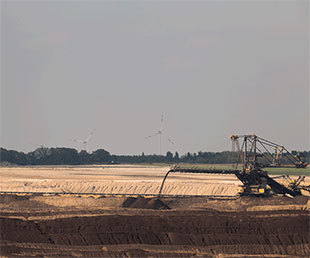
Op Google Earth zijn ze goed te herkennen: de dagbouwgebieden van bruinkoolwinning in Lausitz. En ook goed te zien: de nabijgelegen dorpen, die letterlijk op het randje van de afgrond staan. De schrapers van de mijnen naderen langzaam maar zeker de dorpen, om ze uiteindelijk te ondermijnen. Zo zijn er in de loop der decennia in Duitsland tientallen dorpen afgegraven en tienduizenden bewoners verhuisd.
Maar met de energietransitie stijgt het verzet tegen deze lompe grondstofwinning: de dorpen hebben windmolens, zonnepanelen en biovergisters, waarom stopt men niet met deze fossiele pestkoppen?
Deze zeer actuele film houdt goed het evenwicht tussen de visueel verbluffende beelden, de uiteenlopende standpunten en de feitelijke informatie over bruinkoolwinning.
Korte film:
===Growing Home===
Het Jordaanse vluchtelingenkamp Zaatari bestaat al zo lang dat het functioneert als een stad. We volgen Samer, een Syrische kapper die zich probeert een thuis te maken in het kamp.
On Google Earth they are easy to spot: the lignite mining areas in Lausitz. And also easy to spot are the nearby villages, standing literally on the edge of the abyss. Slowly but surely, the mine scrapers draw ever nearer to the villages, and eventually undermine them. Over the decades, scores of German villages have been dug away in this manner and tens of thousands of inhabitants relocated.
But with the energy transition, resistance to this crude form of raw material extraction is on the rise. The villages have windmills, solar panels and biodigesters now, so why don’t they stop this fossil bullying? This highly topical film carefully balances visually stunning images, various viewpoints, and facts about lignite mining.
Short:
===Growing Home===
The Jordanian refugee camp Zaatari has been in existence for so long that it now functions like a city. We follow Samer, a Syrian barber, as he tries to make a home for himself in the camp.
Kies tijdstip
- filmspecial
Op Google Earth zijn ze goed te herkennen: de dagbouwgebieden van bruinkoolwinning in Lausitz. En ook goed te zien: de nabijgelegen dorpen, die letterlijk op het randje van de afgrond staan. De schrapers van de mijnen naderen langzaam maar zeker de dorpen, om ze uiteindelijk te ondermijnen. Zo zijn er in de loop der decennia in Duitsland tientallen dorpen afgegraven en tienduizenden bewoners verhuisd.
Maar met de energietransitie stijgt het verzet tegen deze lompe grondstofwinning: de dorpen hebben windmolens, zonnepanelen en biovergisters, waarom stopt men niet met deze fossiele pestkoppen?
Deze zeer actuele film houdt goed het evenwicht tussen de visueel verbluffende beelden, de uiteenlopende standpunten en de feitelijke informatie over bruinkoolwinning.
Korte film:
===Growing Home===
Het Jordaanse vluchtelingenkamp Zaatari bestaat al zo lang dat het functioneert als een stad. We volgen Samer, een Syrische kapper die zich probeert een thuis te maken in het kamp.
On Google Earth they are easy to spot: the lignite mining areas in Lausitz. And also easy to spot are the nearby villages, standing literally on the edge of the abyss. Slowly but surely, the mine scrapers draw ever nearer to the villages, and eventually undermine them. Over the decades, scores of German villages have been dug away in this manner and tens of thousands of inhabitants relocated.
But with the energy transition, resistance to this crude form of raw material extraction is on the rise. The villages have windmills, solar panels and biodigesters now, so why don’t they stop this fossil bullying? This highly topical film carefully balances visually stunning images, various viewpoints, and facts about lignite mining.
Short:
===Growing Home===
The Jordanian refugee camp Zaatari has been in existence for so long that it now functions like a city. We follow Samer, a Syrian barber, as he tries to make a home for himself in the camp.